
Family Caregiver Support Program Volunteer Mentors: Bea’s Story
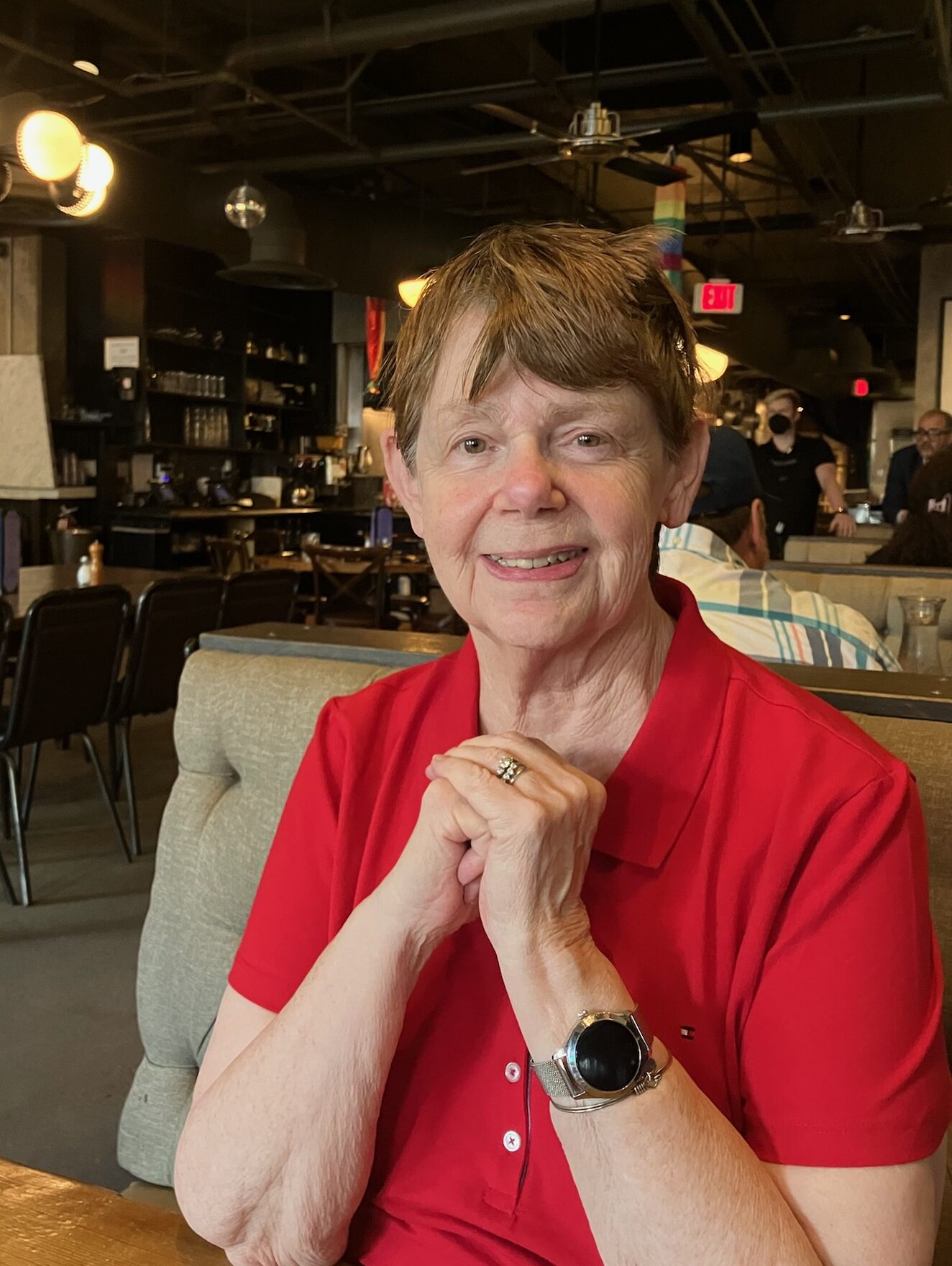
When Bea Stankard became her mother’s caregiver years ago, she had to figure things out on her own. As part of the sandwich generation, caring for her own family and her aging mother, she didn’t always know who to call when problems came up.
“There were times I really felt like that sandwich you took to lunch and smashed before you could eat it,” Bea says. “At that time, none of my friends were caring for their parents. There was nobody to talk to.”
Today, Bea provides the support she wishes she had back then as a volunteer caregiver mentor in the AgeSpan Family Caregiver Support Program. In the years since caring for her mother, Bea earned her master’s degree. She went to work for AgeSpan (then called Elder Services of the Merrimack Valley) and is now retired. She brought her professional and lived experience to her volunteer role as a mentor to Ann, who was caring for her husband, living with dementia.
The caregiver mentor program is funded through a grant from Community Care Corps. It matches volunteers who have caregiving experience with current caregivers, offering encouragement from those who’ve been there.
Ann is nonverbal and communicates through writing. Bea sensed an immediate connection in their first meeting – something that felt undeniable when she returned.
“She introduced me to her homemaker by writing, ‘This is Bea, I hope she’s going to be my friend.’ I crossed it out and said, ‘I am your friend!’ She just lit up,” Bea explains.
During their weekly visits, Ann shared her worries with Bea. Ann’s children wanted to move her and her husband into assisted living, but they didn’t want to leave their home. They also talked through challenges like contacting doctors and managing day-to-day caregiving.
“It’s not as easy as it looks on the outside,” Bea says. “If I couldn’t solve any problems, at least I could listen. If you’ve been through it, you know how important that is. I feel good that I can be that person.”
Ann is now living in a rehabilitation facility and the caregiving duties for her husband have shifted to her son. Ann’s son, Jason, says Ann really enjoyed Bea’s visits, which turned out to be a benefit for the whole family.
“My brothers and I all have full-time jobs. We’re there all the time, but it was nice to know someone else was there.” Jason says. “Bea was kind enough to sit with her and read my mother’s handwriting when she was trying to talk to her. Mom thoroughly enjoyed her company.”
Bea still visits regularly, holding true to her promise to be Ann’s friend.
“On a good day, she lights up when she sees me. We go for walks in the rehab,” Bea says. “On a not-so-good day, she may be sleeping and not wake up. And that’s where the caregiving part comes in. You’re used to that. There are good days and bad days.”
Bea says she gets so much value from the program as a volunteer, that she is now mentoring a new caregiver in addition to Ann. She wishes every caregiver could have a mentor.
“If I had to rate the program, I would give it a 10+,” Bea says. “It just seems to fit a growing need that’s out there. Somebody who’s gone through it can say, ‘I made it to the other end. Maybe you will make it to the other end, too.’

Recent Posts
Categories
- Aging Unbound
- Annual Golf Classic
- Ask Joan – Weekly Q and A Column
- Caregiver Events and Workshops
- Caregivers Connect
- Caring for Someone with Alzheimer’s or Dementia
- Changing Aging
- Community
- COVID19
- Digital Access
- For Families and Caregivers
- General
- General Ideas and Support
- Geriatric Support Services
- Grandparents / Kinship Caregivers as Parents
- Health Worker
- Healthy Aging
- Inspiring Aging
- LGBTQ+
- Long Distance Caregiving
- Making Connections
- Medicare Resources
- New to Caregiving
- Nutrition
- PCA
- Program Update
- Resources
- Scam Alert
- Self Care for the Caregiver
- Uncategorized
- Veterans
- Volunteering
- What’s New Out There
- Years of Service
Tags
Affordable housing agespan aging Alzheimer's caregiver Caregiver Care caregivers Caregiver Support clutter Cognitive community Connection COVID19 Dementia education General Caregiving golf golf classic Grandparents health healthy aging Hoarding housing jobs learning Long Distance Meals on Wheels Medicare meditation memory cafe Memory Loss mental health Music and Memory Nutrition older americans month personal care report elder abuse Resources Self Care SHINE taichi tournament volunteer wellness Yoga